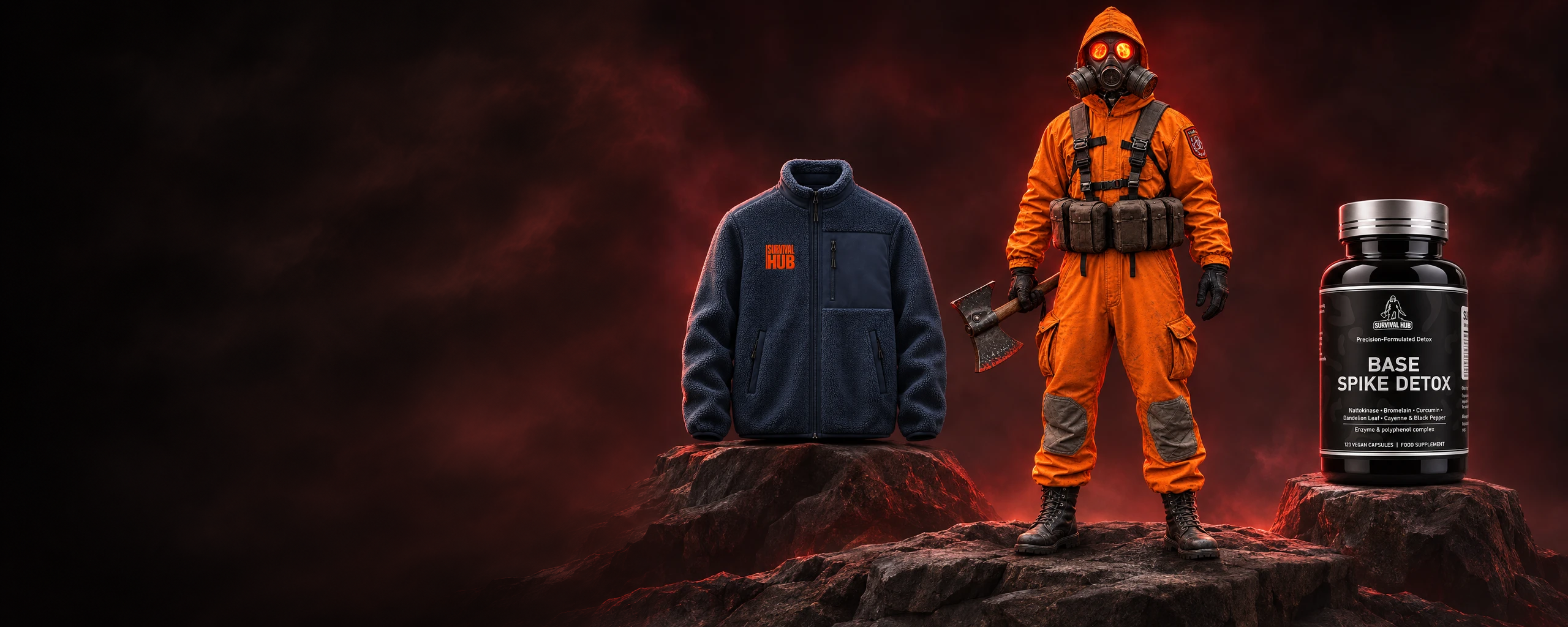
Survival Hub
Prepare.
Protect.
Take control.
Detox formulas, med kits, EMF shielding, field wear, gear and growing supplies. Everything for a self-reliant life, in one place.

Find your focus







02 / When systems fail
How long are you ready for?
Power, water, deliveries and communications can fail. Build your preparations around your household, your needs and the time you want to cover.
72 hours
Get through the first days.
A power cut, disrupted payments or an urgent need to leave home.
Essentials
- Stored drinking water
- Easy-to-prepare food
- Torch and spare power
- Radio
- Warmth
- First aid and personal medication
Practical checklist
- Count everyone in the household, pets included.
- Keep the essentials together in one place.
- Agree a household contact plan.
72 hours is a starting tier. Swedish home-preparedness guidance recommends being ready for at least one week.
3 weeks
Keep your home running.
Repeated outages or disrupted deliveries can make everyday resupply difficult.
Essentials
- Rotating food reserve
- Water collection and refill plan
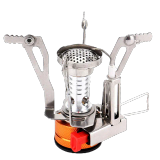
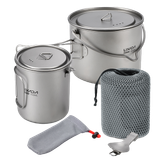
- Suitable outdoor cooking and fuel
- Hygiene and waste supplies
- Backup communications
Fuel-burning camping stoves are for outdoor use, away from doors, windows and vents.
Practical checklist
- Plan complete daily meals.
- Include food that needs little cooking or water.
- Rotate your supplies.
- Test the equipment before you need it.
3 months
Build lasting reserves.
A longer disruption needs a sustainable household routine.
Essentials
- Varied long-life food and staple foods
- Reliable water access
- Realistic fuel and power reserves
- Spares and repairs
- Household and pet needs
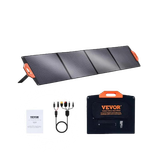
These tools support a longer routine. They are not a three-month supply on their own.
Practical checklist
- Plan energy and portions for your household.
- Rotate stock and check dates.
- Include neighbours and a local resupply plan.
- Review your needs over time.
Food is part of the plan.
Food range in preparationWe are preparing freeze-dried meals from Turmat and Tactical Foodpack.
Plan portions, daily energy needs and water for your household. Freeze-dried meals also need safe water.
Our picks

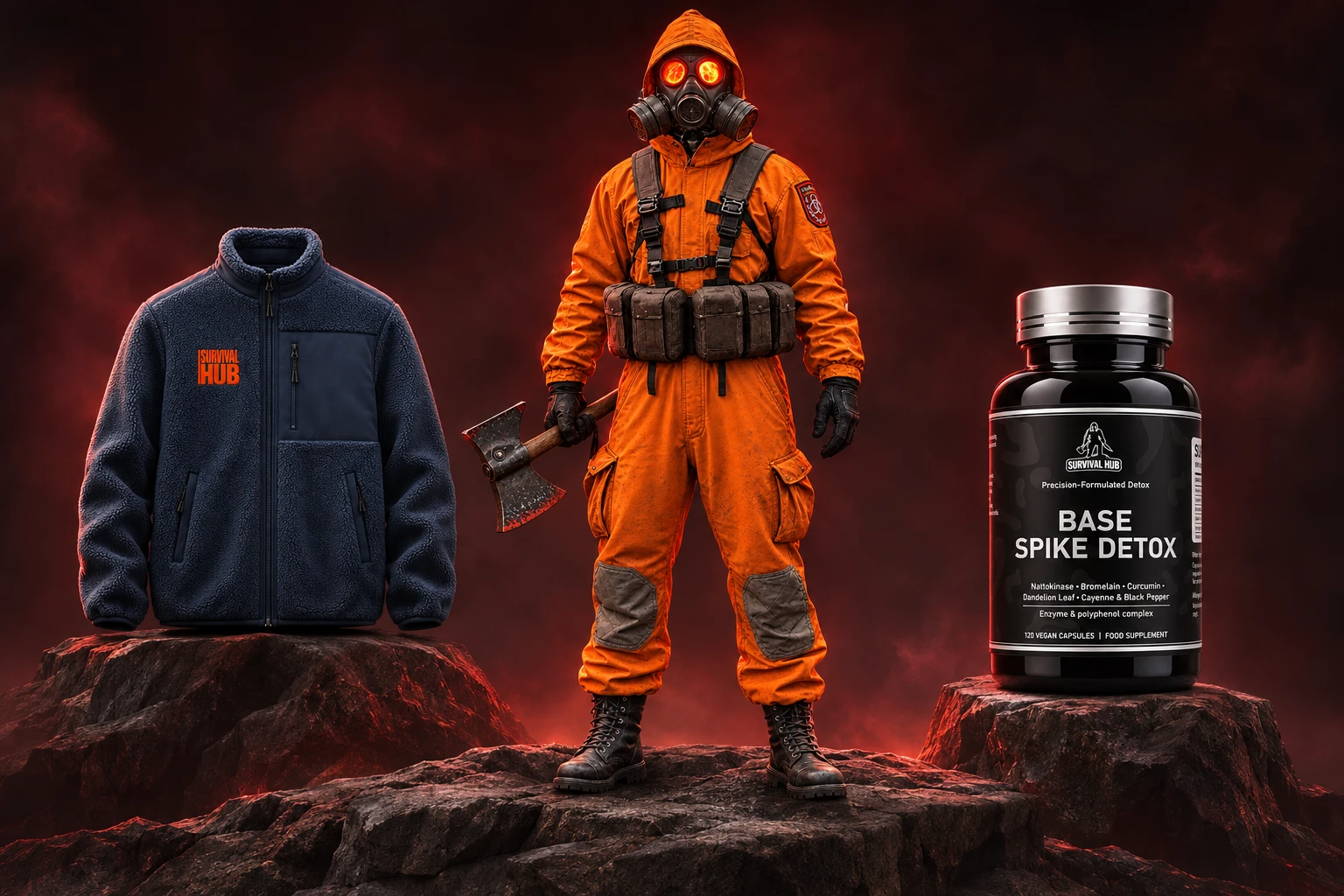
Base Spike Detox
Upgraded
49,99 €View
Enhanced NAC
39,99 €View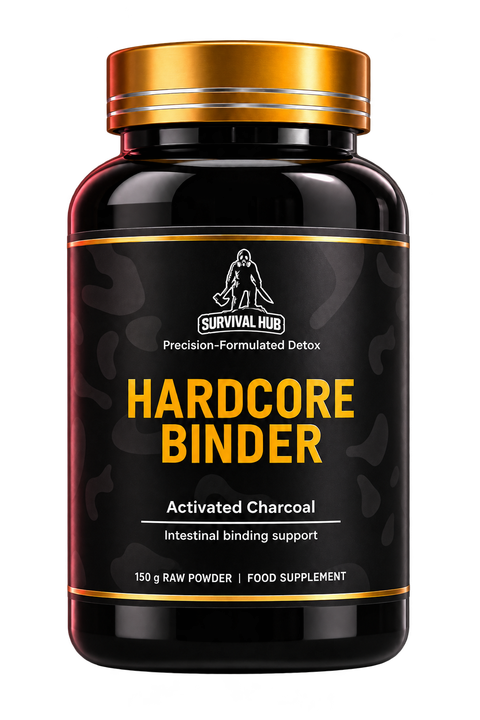
Hardcore Binder (Activated Charcoal)
39,99 €View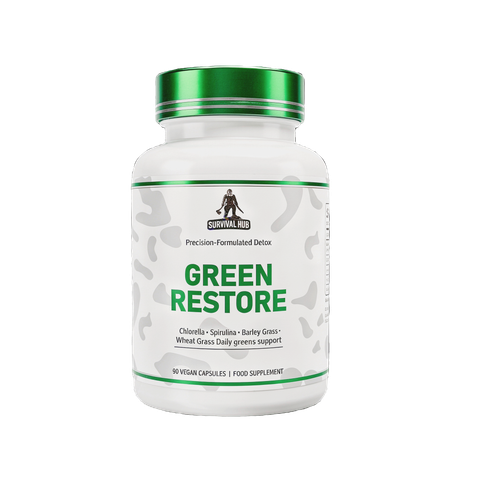
Chlorella & Spirulina
39,99 €View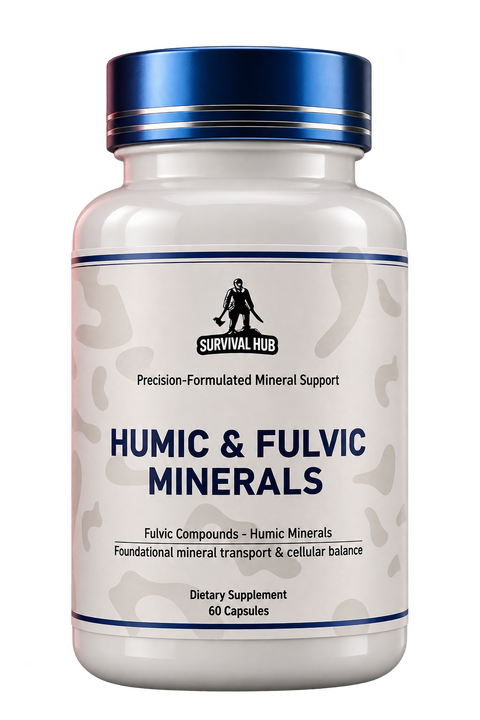
HUMIC & FULVIC MINERALS
39,99 €View
Red Yeast Rice + Q10
Monacolin K 3%
34,99 €View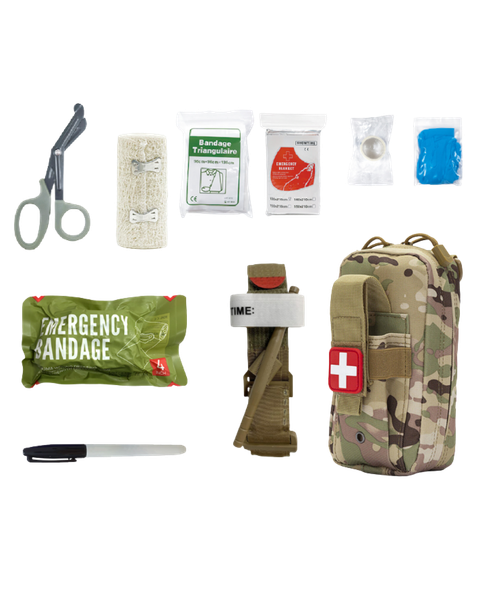
Emergency First Aid Kit
From 29,41 €View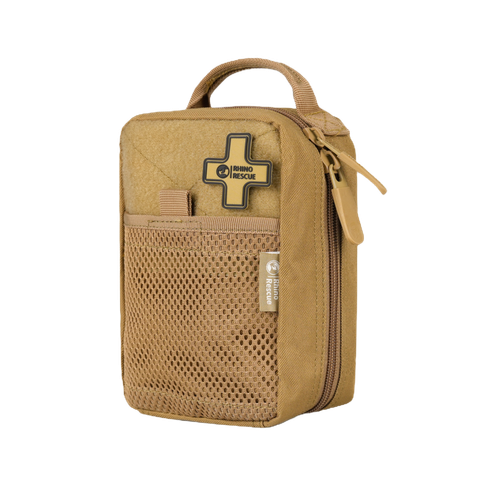
Rhino Rescue First Aid Kit
48,99 €View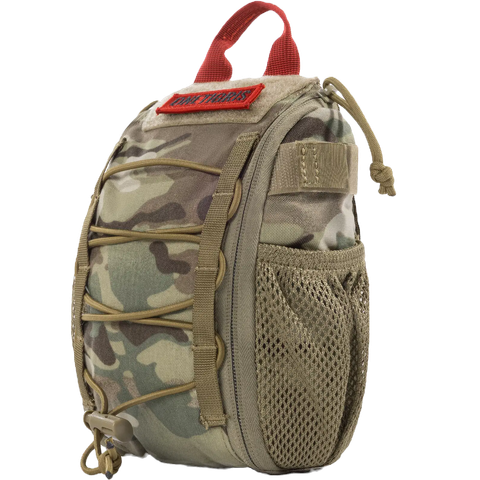
IFAK MOLLE Pouch
From 44,29 €View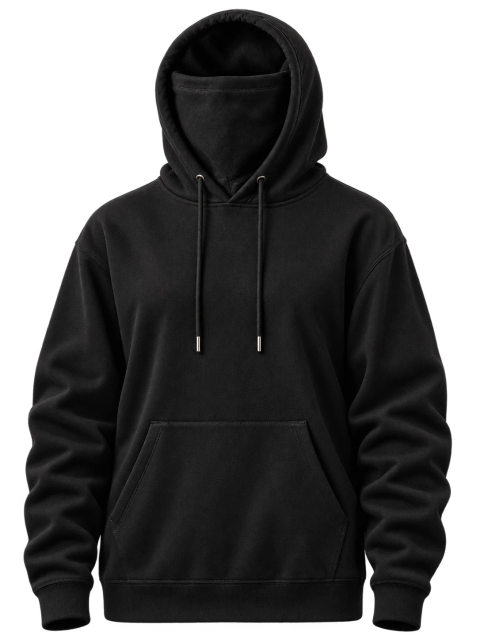
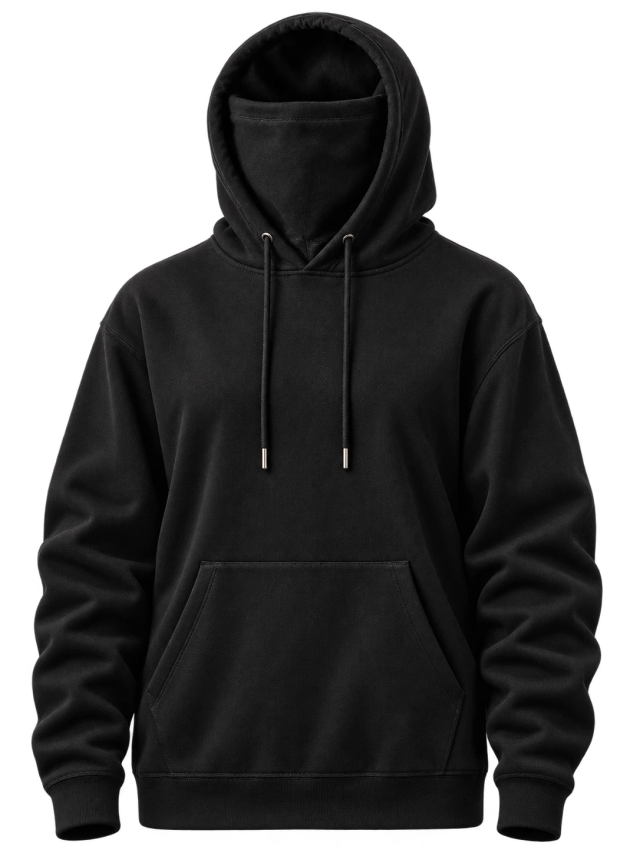
Silver Fiber Hoodie
EMF blocker
154,70 €View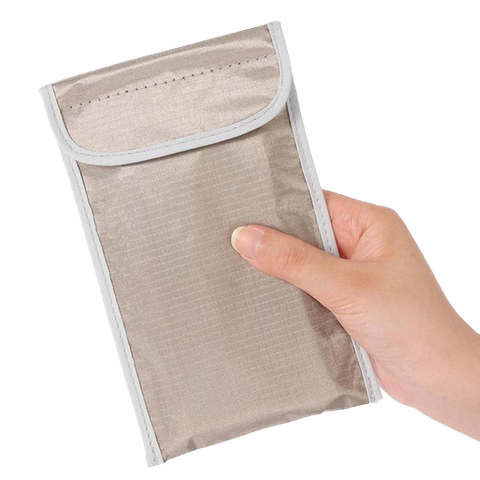
Cell Phone Faraday
From 5,95 €View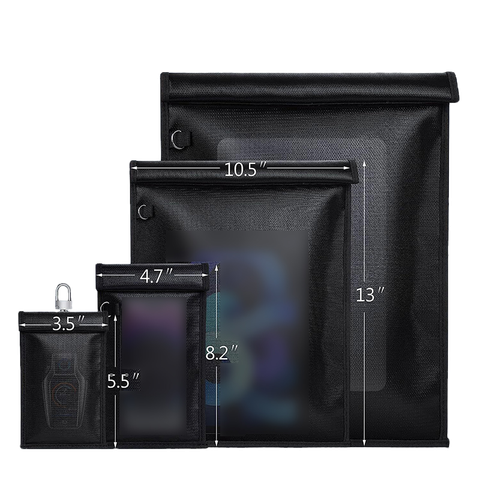
RFID Faraday Pouch
From 20,00 €View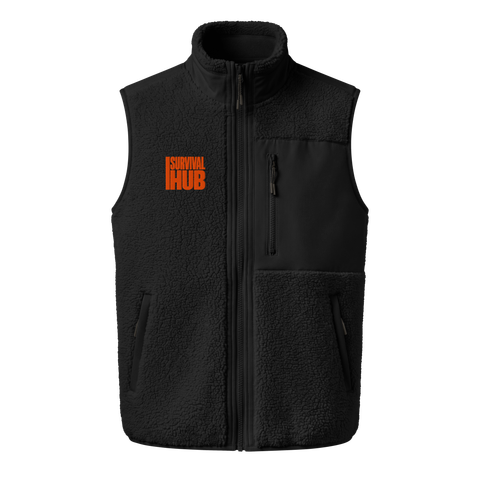
Survival Hub Liner Sherpa Vest
From 92,50 €View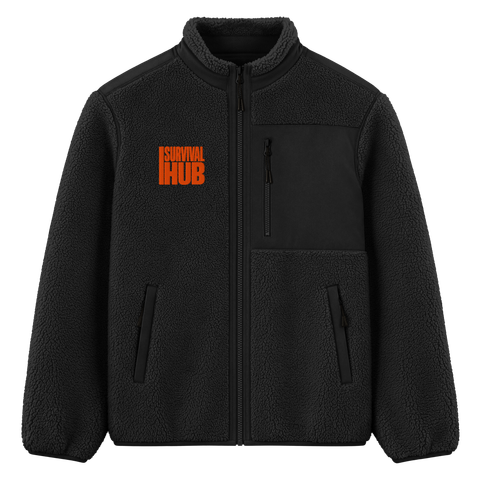
Brooker Sherpa Jacket
From 148,54 €View
Oversized heavyweight t-shirt
From 34,99 €View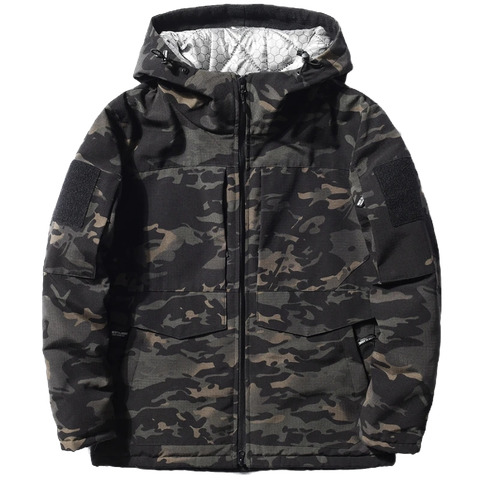
M65 Winter Tactical Jacket
From 84,06 €View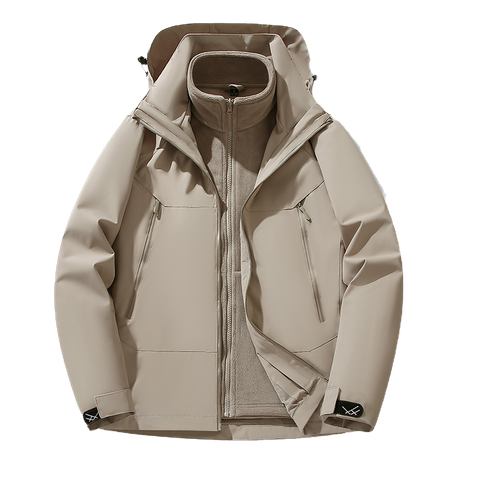
3-in-1 Waterproof Jacket
104,86 €View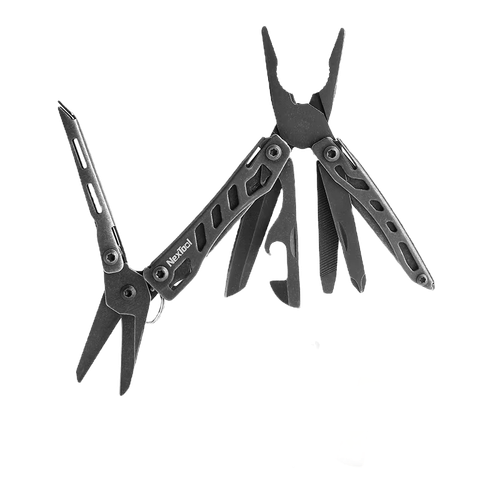
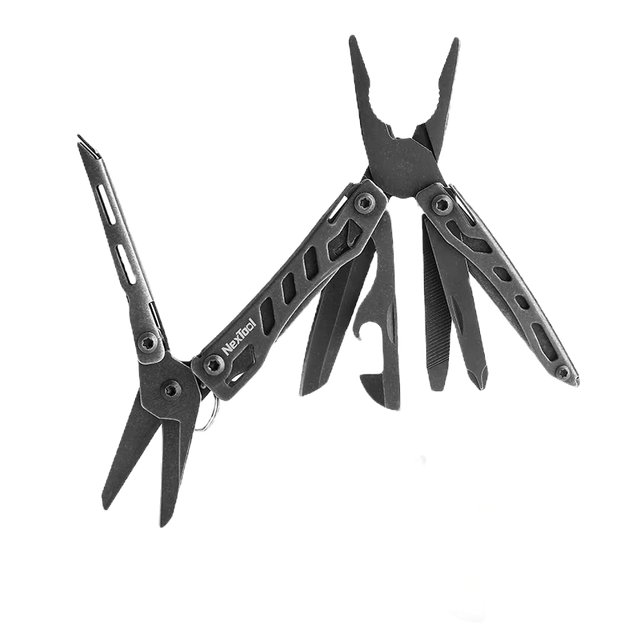
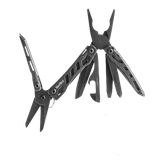
Mini Flagship Multitool
59,45 €View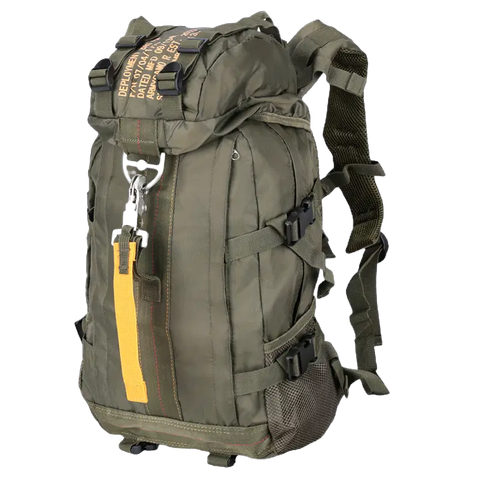
Tactical Survival Backpack
79,43 €View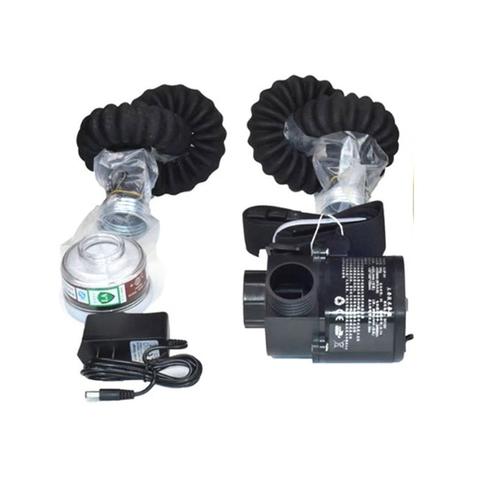
Air-Fed Gas Mask
From 121,04 €View
Microgreens
Radish "China Rose"
From 5,99 €View
MICROGREENS STARTER KIT
From 49,99 €View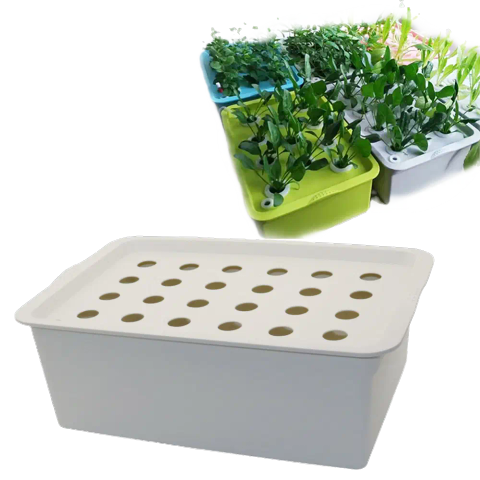
Hydroponic Garden kit
34,88 €View
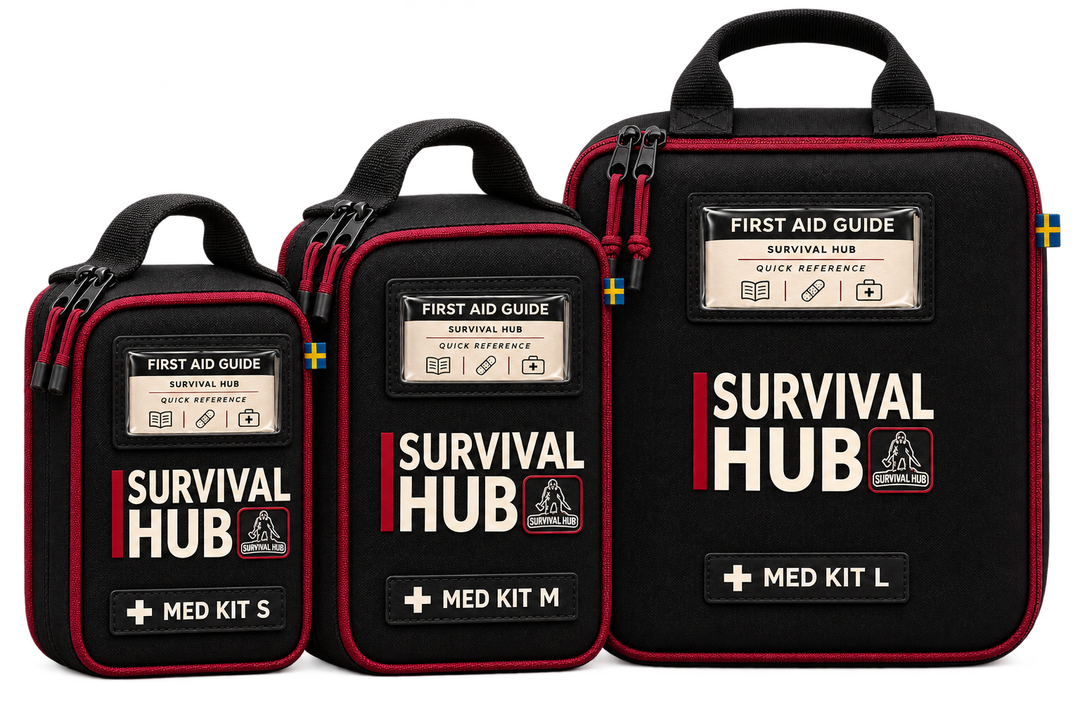
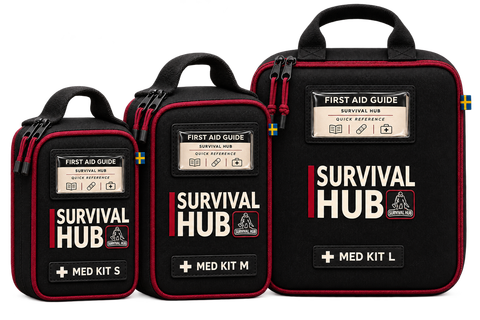
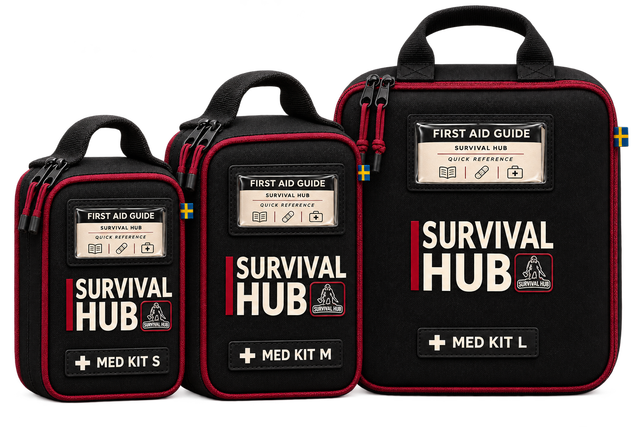
Survival Hub Med Kits
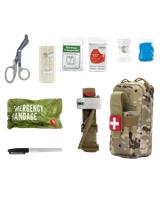
Our first aid kits are in development in three sizes: S, M and L.
See the Med KitsAnti-EMF
Choose when to connect.
Explore phone pouches, key storage and Faraday bags. Shielding for the bedroom, silver-fibre clothing, shielding paint and meters to check the result.
Shop Anti-EMF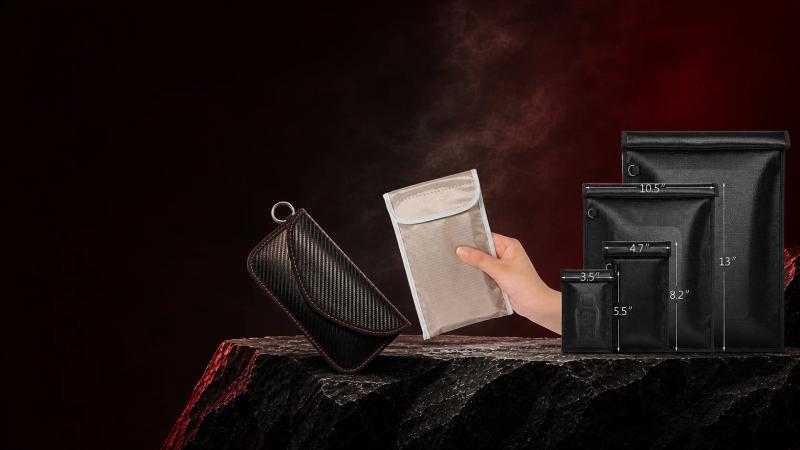
- EMF HomeFitted sheets, curtains, bed canopies, conductive mats and fabrics.
- EMF protection filmWatch the film, with full playback controls.
- EMF ApparelHoodies and tops, base layers, headwear, blankets and kids.
- EMF PaintShielding paint and the grounding kit it needs.
- MetersHandheld EMF meters and the meter guide.
- EMF AccessoriesFaraday pouches for phones, keys, cards and small electronics.
- Kits & fabricsReady-made shielding sets and fabrics for your own projects.
- All Anti-EMFOur picks and the full range in one place.
Guides
Practical reads from Survival Hub, newest first.
Originally published · Updated
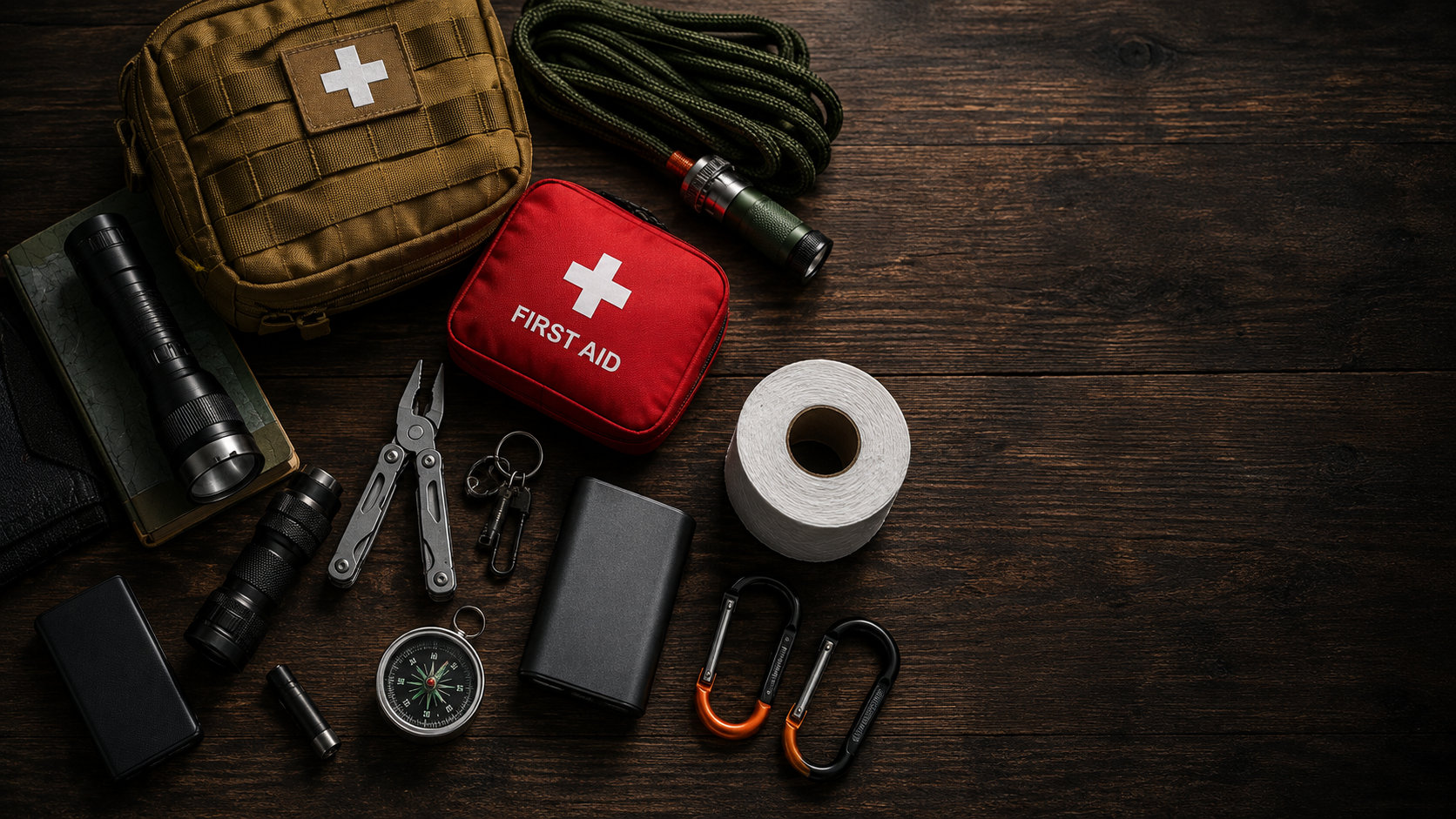
Emergency Preparedness Checklist: What You Actually Need
A practical emergency preparedness checklist covering water, food, medical, communication, light, and wellness — built around what genuinely gets used in real emergencies. No filler.
Read the guide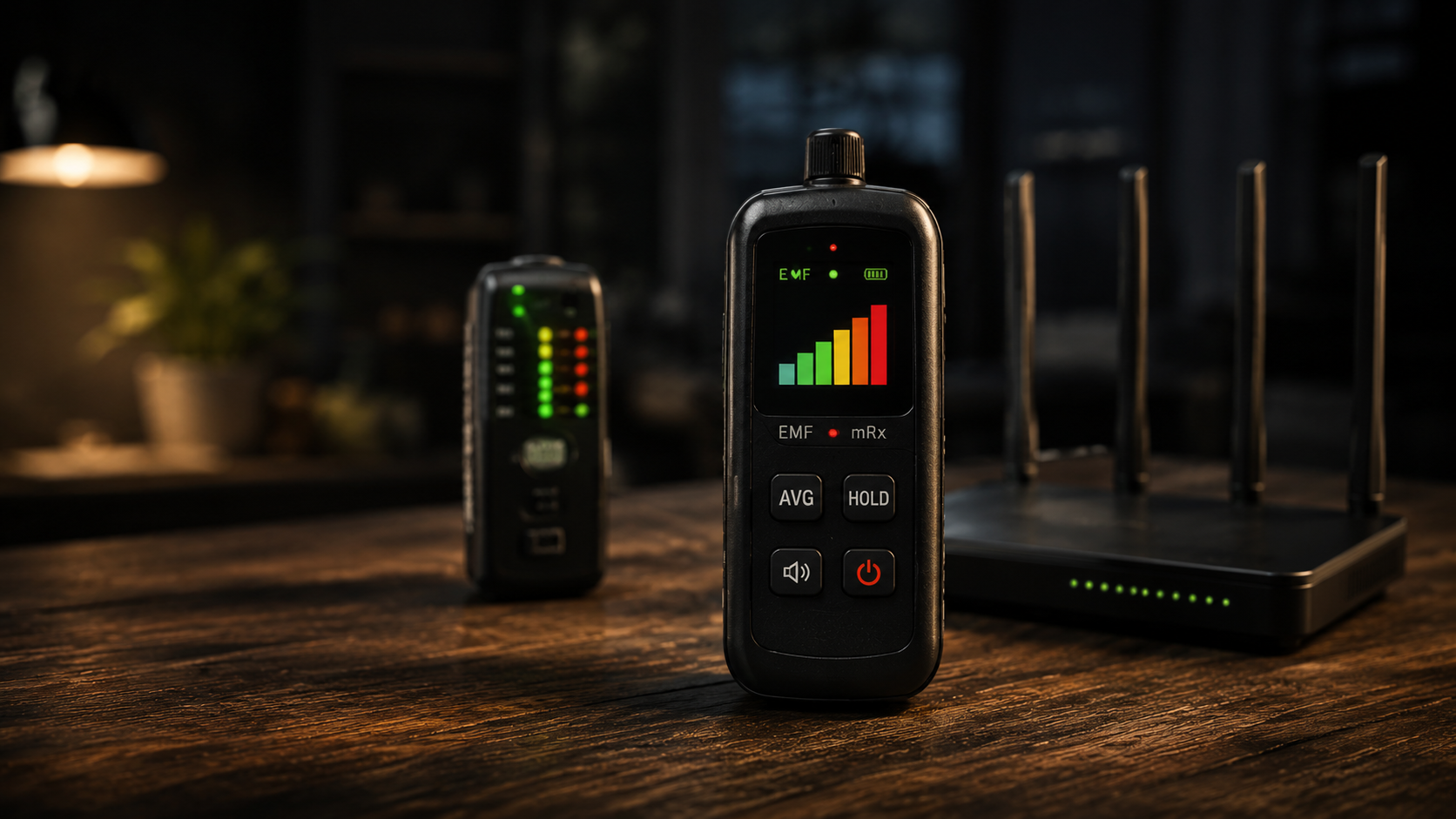
Originally published · Updated
What Is an EMF Meter and How Do You Use One?
An EMF meter measures electromagnetic fields in your environment. This guide explains the different meter types (ELF vs RF), how to read the numbers, and how to run a practical survey of your home.
Read the guide